The Main Goal
History has somehow managed to obscure hundreds of great female literary writers with the help of society and the patriarchy that governs it. The purpose of this website is to shine a light on as many of these women as possible, and to hopefully take steps forward towards a more balanced society. It is also important to note that this website addresses issues of racism and inequality, thereby highlighting the concept of intersectionality. It is important to understand what these terms mean and how they manipulate aspects of our society to move forward as a truly equal society. The responsibility lies within us as individuals. Tell their stories.
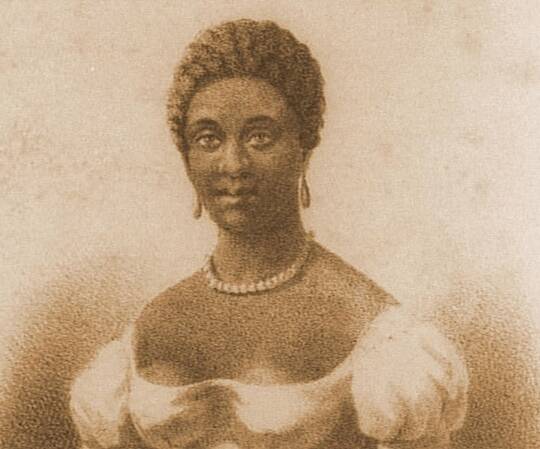
𝑷𝒉𝒊𝒍𝒍𝒊𝒔 𝑾𝒉𝒆𝒂𝒕𝒍𝒆𝒚 𝑷𝒆𝒕𝒆𝒓𝒔
1753-1784
Phillis Wheatley was sold into slavery when she was just 7 years old, and then shipped from her home in West Africa to her new slave masters in North America, the Wheatleys. Their daughter, Mary, was the first to teach her how to read and write
The Wheatley family never released her from their control, but did let her cease household responsibilities to pursue an education and advance in her career as a writer. Ultimately, they fully supported her and her career by manumitting her years later, once her book of poems was officially published in 1773.
The year before her book was officially published, Phillis had to defend herself as the author of her own poetry in court. They couldn't believe an enslaved black woman could write such words with such elegance. Their final decision was in her favour; however, Phillis having to prove herself is another example of women of colour suffering because of the patriarchy and racism, which work together to oppress. Phillis Wheatly never got the recognition or payment she deserved for the work she gave to society, which is the real goal of oppression. Tell her story.

𝑴𝒂𝒓𝒚 𝑾𝒐𝒍𝒍𝒔𝒕𝒐𝒏𝒆𝒄𝒓𝒂𝒇𝒕
1759 - 1979
Mary Wollstonecraft was a writer, feminist, and philosopher who had a brief career, yet accomplished a great deal for early feminist literature and the early feminist movement. Her best-known work was "A Vindication of the Rights of Women," which presented a thoughtful argument that women were not inferior to men, and it only seemed that way because of women's collective lack of education.
However, Mary was not properly celebrated for her work due to the drama surrounding her personal life. Her husband published a memoir after her early death, due to complications during childbirth, which provided intimate details into Mary's life, including things such as her suicide attempts and past relationships. This memoir absolutely decimated the public view/opinion of Wollstonecraft, and from that point on, her personal life was more of a conversation than her work.
The work of later feminists brought Mary's book "A Vindication of the Rights of Women" back into conversation, where she finally got the recognition she deserved; however, it was decades after her death and defamation. Tell her story
𝑴𝒂𝒓𝒊𝒂 𝑭𝒊𝒓𝒎𝒊𝒏𝒂 𝒅𝒐𝒔 𝑹𝒆𝒊𝒔
1822-1917
Maria Firmina dos Reis is known as the mother of Afro-Brazilian Literature, as well as considered Brazil's first black female novelist. Her work, "Ursula," is believed to be the first Brazilian abolitionist novel ever written. Despite these accomplishments, she was left out of history until very recently.
While there was no one physical force that stopped Maria from getting the recognition she deserved, she grew up poor due to her mother being enslaved, which gave her a rough start in school. And once she started publishing her novels, she learned that being a female writer in the industry was a disadvantage. She became a schoolteacher and eventually opened her own school for disadvantaged kids, which eventually closed due to hate.
Maria Firmina dos Reis died poor, with no knowledge of what her work would turn into and no recognition or payment for her accomplishments. While there is no one person to blame, racism and the patriarchy are why she is not a household name today. The only reason we know her at all is through the work of feminist and Afro-Brazilian scholars. Tell her story.
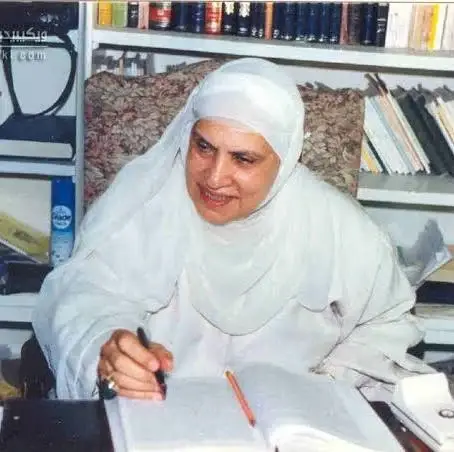
𝒁𝒂𝒚𝒏𝒂𝒃 𝒂𝒍-𝑮𝒉𝒂𝒛𝒂𝒍𝒊
1917-2005
Zaynab al-Ghazali was an Egyptian-Muslim activist and writer, who fought hard for political movements and founded the Muslim Women's Association, which was a huge, global group. It started with her lecturing in a mosque, but quickly grew. Her writing came later, after she was kidnapped and tortured due to her activism. She wrote about her experiences, opinions, and faith and published it, titled "Days From My Life" (translated from Arabic).
This book was quickly criticized by male figures in the political field. Men she once worked with as equals now publicly referred to her as ranked below them. Men doubted the authenticity of her work, due to their not believing a woman could endure the torture she did, let alone write about it.
Her legacy has remained potent in Islamic feminist circles and political debates, although her work is still debated amongst men. Tell her story

𝑱𝒂𝒏𝒆 𝑱𝒐𝒉𝒏𝒔𝒕𝒐𝒏 𝑺𝒄𝒉𝒐𝒐𝒍𝒄𝒓𝒂𝒇𝒕
𝑩𝒂𝒎𝒆𝒘𝒂𝒘𝒂𝒈𝒆𝒛𝒉𝒊𝒌𝒂𝒒𝒖𝒂𝒚
1800-1842
An Ojibwe indigenous woman, born in what is now Michigan, Jane Johnston Schoolcraft never published a single work. And yet her list of accolades was impressive, including being known as the first native American literary writer and the first poet to write entirely in Ojibwe. She jump-started Native American literature and contributed to the overall development of their culture.
Her husband, Henry, was the known author and poet in their family. He won awards for his work in Native American writings and even went on to become a Federal Indian Agent. However, Jane was a huge part of his writing. His stories about the Ojibwe people were hers, and they co-wrote most of the books that were published under his name.
While this was a willing choice made by Jane, it is still important to recognize why she had to make that choice. Being a Native American and a female, her work would've never been given the same chance that her husband's was.
Even though Jane still managed to do what she loved and made a name and life for herself, it is hard to ignore the question 'Is this what she would have chosen for herself if given the chance.'
Tell her story.